The Way Cladding Replacement Can Boost Your House's Efficiency Effectiveness.
As in Ontario, we frequently encounter the difficult effects of the region's extreme climate. Due to its notorious freeze-thaw patterns, the integrity of our homes' outer structures is put to the test year after year. Among the many facets of home maintenance, siding replacement stands out as a pivotal investment that not only renovates the appearance of your home but also enhances its efficiency in energy consumption. By investing in modern siding materials designed to withstand extreme weather conditions, you can noticeably boost insulation, reduce heating costs, and protect your home against moisture and pests.
Deciding on the right siding is important, especially when considering options like James Hardie fiber cement and siding made of vinyl, each with specific benefits. This article will delve into how siding replacement can lead to a more energy-efficient home while addressing cost factors, installation procedures, and the importance of other exterior features like wrap around the house and insulation. Whether you want to maintain the character of Wortley Village's historic homes or merely wanting to improve your property's resale value in Greater London, a thoughtful approach to siding replacement can yield lasting benefits.
Impact of Atmospheric Conditions on Exterior Cladding Longevity
Weather in the Southwestern region of Ontario presents unique challenges for home exterior cladding. The area's freeze-thaw cycles can lead to significant deterioration over time. During the winter months, water seeps into the siding materials and freezes, causing expansion. When it thaws, this repeated cycle can result in cracks and damage, especially in materials that are not designed to tolerate such pressure. Siding London Ontario should be aware that selecting the appropriate siding material can greatly affect how well it stands up to these harsh conditions.
In furthermore to temperature variations, London Ontario faces the brunt of lake-effect snow and wind-driven rain. These meteorological patterns can worsen siding damage, leading to issues like moisture penetration and neglecting proper installation techniques. If siding is not installed with adequate house wrap and rain screen systems, residents may experience mold growth and structural integrity problems in the hidden layers beneath. Understanding these risks is essential for preserving the longevity of home exterior cladding.
Additionally, the aesthetic impact of severe weather elements should not be overlooked. Siding can fade, twist, or deform due to harsh sunlight, heavy rainfall, and varying temperatures. Homeowners would benefit from selecting fade-resistant materials and finishes that can withstand the demanding weather without sacrificing their aesthetic value. While improving energy performance is vital, ensuring that siding can tolerate the elements is equally essential for preserving the home's exterior and value.
Comparing Siding Options for Thermal Performance
As evaluating siding materials in thermal performance in the area of London, Ontario, it is essential to evaluate the thermal properties of each choice. Enhanced vinyl siding, such as, provides improved insulation capabilities compared to standard vinyl. This type of siding incorporates a layer of foam insulation that facilitates to minimize thermal bridging, thereby reducing heat loss during the harsh winters and lowering energy bills. Homeowners can take advantage significantly from this upgrade, particularly in a climate characterized by freeze-thaw cycles that demand robust solutions.
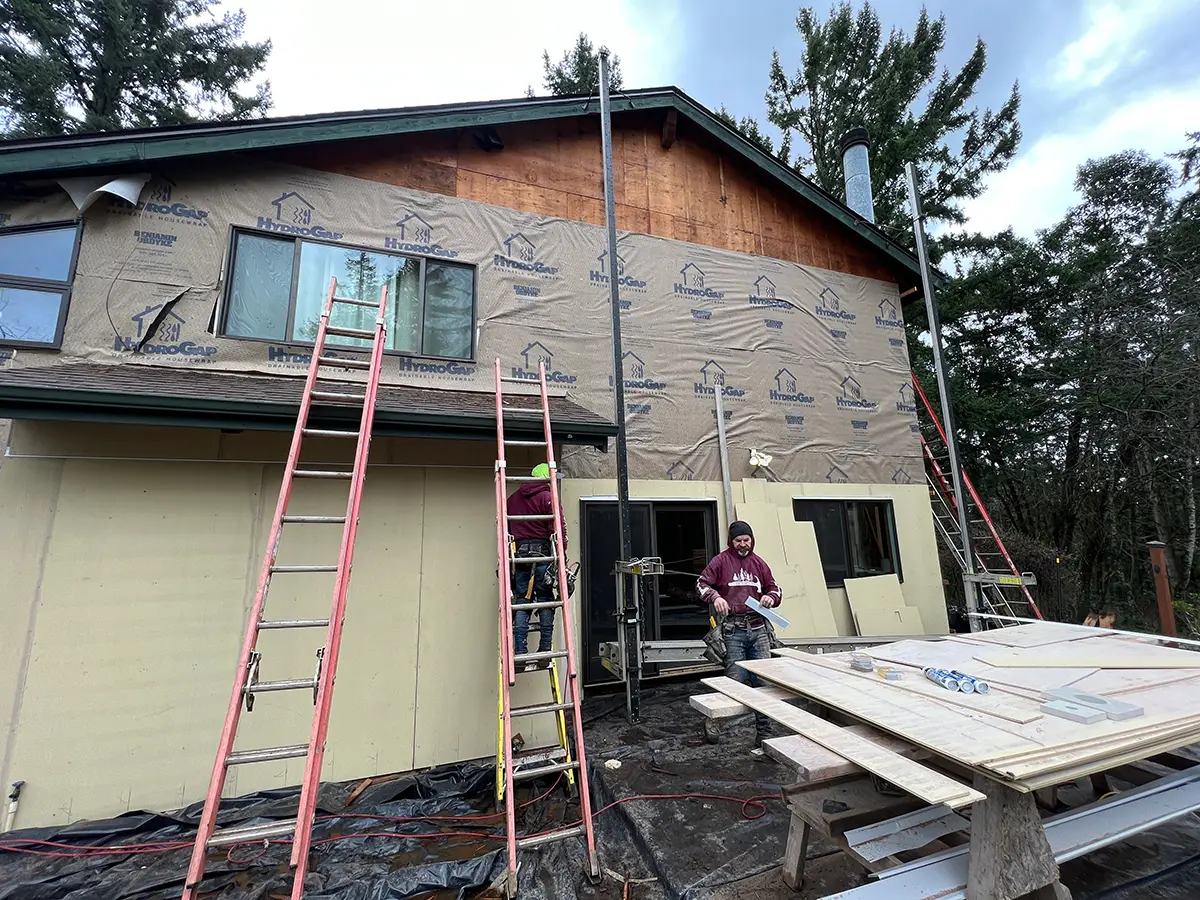
James Hardie fiber cement siding is a further excellent choice for energy performance. Though it may not always feature the extra insulation of other materials, its compact composition and efficient installation contribute to preserving stable indoor temperatures. This type of cladding is designed to withstand extreme weather conditions, such as moisture and temperature fluctuations. Coupled with a proper house wrap, it creates a thermal barrier that contributes to increase overall energy efficiency.
On the other hand, engineered wood siding, including CanExel and LP SmartSide, supplies a balance between aesthetics and efficiency. These materials imitate wood while providing superior durability and moisture resistance. Although they do not provide insulation as well as insulated vinyl siding, they can still make a difference to cutting energy consumption when installed correctly. By evaluating the specific energy needs of their homes, property owners in London can make educated decisions on which siding material most effectively satisfies their efficiency requirements.
Pricing and Reselling Price of Siding Renewal
The price of siding installation in London, Ontario can change significantly based on the substances chosen and the size of the property. On typically speaking, homeowners may expect to spend between ten thousand to twenty-five thousand dollars for full siding replacement. James Hardie and vinyl are well-liked options, each with its own price point and benefits. While vinyl is often the more affordable choice upfront, fiber cement siding usually offers enhanced durability and long-term value, which might validate the higher initial expense.
One of the major advantages of siding replacement is its potential to enhance a home’s resale value. According to Siding London Ontario , a successful siding replacement project can yield a profit of up to three-quarters or more. This means that homeowners can get back a substantial portion of their siding costs when selling their property. The important factor is to choose materials that not only align within the budget but also appeal to prospective buyers in the London area.
In addition to enhancing visual appeal and market value, upgraded siding can assist to better energy use, which results in reduced utility bills over time. This savings feature is increasingly appealing to buyers who are searching for homes that lower energy consumption. By responding to wear and damage and opting for higher-quality materials, homeowners can position their homes as valuable investments in the challenging London real estate market.